
As we wrap up the year, it’s evident that branding agencies have increasingly emphasized authenticity and transparency in their marketing strategies, with consumers favoring brands that openly communicate their values and practices. Looking ahead to 2025, we anticipate a surge in hyper-personalized branding experiences enabled by AI, delivering tailored content and interactions based on deep customer data analysis. Additionally, trends such as bold minimalist design and a focus on digital branding are expected to gain prominence. Below are 9 key trends branding agencies in Washington, D.C. should prepare for in 2025 that will shape the industry.
Branding Trends to Watch for in 2025
1. Purpose-Driven Branding
Consumers are increasingly favoring brands that align with their personal values and demonstrate a commitment to social and environmental responsibility. Agencies should guide clients in defining and communicating a clear brand purpose that resonates with their target audience. By authentically embedding purpose into their operations and communications, companies can differentiate themselves in a crowded market, appealing to consumers’ values and beliefs. This strategy not only builds trust and credibility but also drives long-term success by creating a brand that resonates on a personal level with its audience.
2. AI-Enhanced Personalization
Advancements in artificial intelligence are enabling brands to deliver highly personalized experiences at scale. By analyzing consumer data, AI can tailor content, product recommendations, and interactions to individual preferences, enhancing customer engagement and loyalty. For instance, AI-driven marketing strategies have led to increased consumer interactions and reduced customer churn, as seen in companies like Yum Brands, which reported double-digit growth in consumer engagement through personalized AI marketing efforts. Moreover, AI’s ability to process vast amounts of data allows for real-time personalization, ensuring that customers receive relevant suggestions and offers promptly.

3. Community-Led Brand Building
Building and nurturing communities around a brand fosters loyalty and advocacy. Encouraging user-generated content, engaging with consumers on social platforms, and creating spaces for community interaction can strengthen brand-consumer relationships. An example of this is building a community on TikTok, where brands can tap into niche communities to build cultural resonance. By actively participating in TikTok’s unique culture and trends, brands can create authentic connections with their audience, leading to increased engagement and brand loyalty.
2024 TikTok Marketing Dilemma: Too Late for My Business or Just in Time?
4. Immersive Brand Experiences through AR and VR
Augmented Reality (AR) and Virtual Reality (VR) are becoming integral to creating engaging brand experiences. Brands can utilize these technologies to offer virtual try-ons, immersive storytelling, and interactive product demonstrations, providing consumers with memorable and interactive engagements. For instance, IKEA’s “The Giving Bag” campaign used AR to animate products emerging from a giant blue bag, enhancing customer interaction.
5. Sustainable Branding Practices
Sustainability is no longer optional; consumers expect brands to adopt eco-friendly practices. Agencies should assist clients in implementing sustainable initiatives and transparently communicating these efforts to build trust and meet consumer expectations. This approach not only enhances brand reputation but also fosters long-term customer loyalty, as today’s consumers are more informed and environmentally conscious than ever before.
6. Voice Search Optimization and Voice Branding
With the increasing use of voice-activated devices, optimizing for voice search and developing a distinct voice brand identity are becoming essential. This includes creating content that aligns with voice search queries and developing audio elements that represent the brand. Implementing voice search optimization strategies, such as targeting long-tail keywords and answering common questions, can improve search engine rankings and enhance user experience. Additionally, a consistent brand voice across all platforms fosters trust and recognition among your audience.
7. Minimalist and Authentic Brand Aesthetics
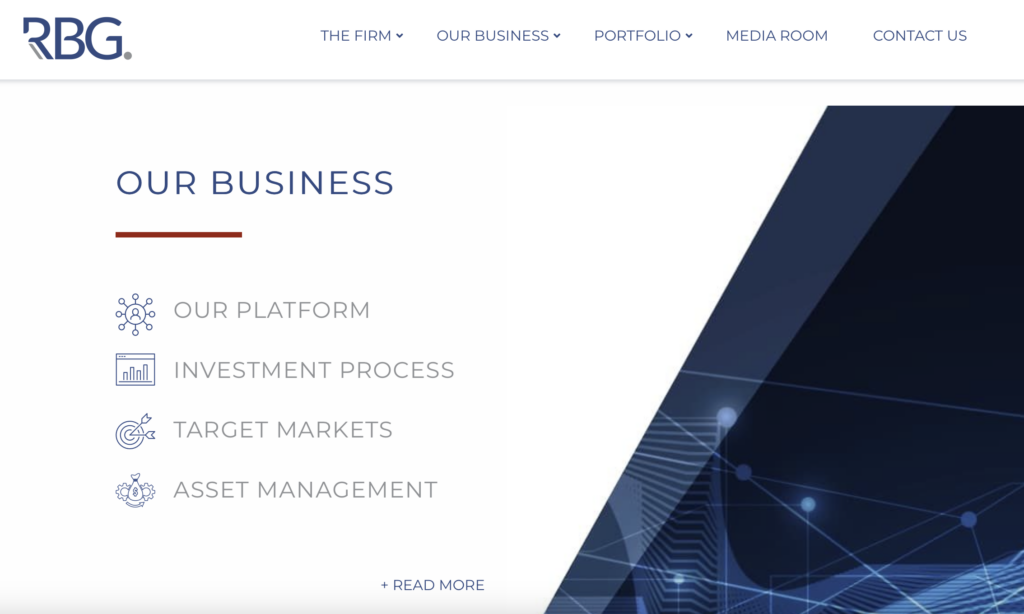
Consumers are gravitating towards brands that present clear, simple, and authentic visuals. A minimalist design approach can convey transparency and trustworthiness, appealing to modern consumers seeking authenticity. By eliminating unnecessary elements, minimalist branding emphasizes a brand’s core message, making it more memorable and impactful. This simplicity allows consumers to easily recognize and remember the brand, even in a crowded marketplace. An example of minimalist design is our work with Ritz Banc Group (RBG), where we developed a clean logo and a modern, minimalist website (below) that effectively conveys their brand identity. To read full case study, click here.
8. Digital-First Brand Experiences
As digital interactions become predominant, brands need to prioritize creating seamless and engaging online experiences. This involves optimizing websites, enhancing user interfaces, and ensuring consistent digital touchpoints to meet consumer expectations. A digital-first approach to branding is essential in today’s market, as it guarantees brand visibility when consumers turn to the internet for answers. By focusing on web design, active social media channels, and mobile access, brands can create a strong digital presence that resonates with their audience.
9. Content that Educates and Entertains (Edutainment)
Combining educational and entertaining content can effectively engage audiences. Brands that provide value through informative yet enjoyable content can capture attention and foster deeper connections with consumers. By staying attuned to these trends, branding agencies in Washington, D.C., can develop strategies that resonate with contemporary audiences, ensuring relevance and success in the evolving market landscape. For instance, Adobe has successfully utilized edutainment by creating engaging content that educates users about their products in a fun and relatable manner. In one of their TikTok videos, they highlight the benefits of Adobe Firefly in a way that’s both informative and entertaining, effectively capturing the audience’s attention.
Partner with Experienced Branding Agencies in Washington DC
As branding agencies in Washington, D.C. prepare for the evolving landscape of 2025, partnering with an experienced firm can be instrumental in succeeding in your marketing endeavors. Work with a firm that has experience working with a variety of brands and industries. With over 25 years of experience, TriVision is a full-service creative agency located in Northern Virginia serving a diverse range of clientele – from small businesses and startups to large technology firms, healthcare companies, schools, and high-profile government agencies. Our comprehensive services include branding and logo design, digital marketing, UX/UI design, web development, video production, and public relations.
TriVision’s expertise in crafting innovative digital solutions positions us as a valuable partner for businesses aiming to navigate the upcoming trends and achieve impactful brand experiences. To learn more about our past projects, click here.