When a controversy or crisis hits — a product recall, an HR incident, negative press, or an unexpectedly viral complaint — the first 24 to 72 hours determine public perception. For organizations in Washington, D.C. (where scrutiny is high and audiences include policymakers, press, and local communities) clear, timely video can be the fastest, most trustworthy way to communicate.
This guide explains what crisis communication video production is, why it matters, and how local brands in D.C. can execute it quickly and correctly. It includes step-by-step actions, platform tips, and real-world examples so your organization can move from uncertainty to control.
What is Crisis Communication Video Production?
Crisis communication is the practice of conveying accurate, timely, and ethical information to stakeholders during an incident that could harm an organization’s reputation, operations, or people.
Video production in this context means producing short, clear video messages — live or recorded — that deliver those communications. Crisis communication video production combines message strategy, spokesperson presentation, rapid filming, and immediate distribution to reach audiences where they are.
Key attributes:
Speed: turnarounds of hours, not weeks.
Clarity: one message, one ask, one next step.
Credibility: visible spokesperson, captions, verified posting channels.
Traceability: timestamps, links, and archived files for recordkeeping.
Why Video Matters for Crisis Response (Especially in D.C.)

Visual trust: Viewers often judge the authenticity of a message by seeing a person speak. A calm, direct on-camera statement reduces rumor and speculation.
Reach: Video performs better on social platforms (shares and engagement). In D.C., where local press and advocacy groups amplify content quickly, one clear clip can set the narrative.
Speed of correction: A short corrective video counters misinformation faster than long written statements.
Accessibility: Closed captions and translated subtitles make your message accessible to wider, multilingual audiences across D.C.
Practical D.C. example: If a local service provider’s incident attracts attention from neighborhood associations and local reporters, a 60-90 second on-camera statement posted to the company’s verified social channels and Google Business Profile will often appear in local searches before long-form press coverage.
The 6-Step Crisis Video Playbook for D.C. Organizations
1. PREPARE: Build a Crisis Video Kit Before a Crisis
Action items:
Identify a primary spokesperson (senior leader) and a trained backup.
Create a one-page “message map” template that includes: issue statement, impact, actions taken, timeline, and how to get more info.
Pre-produce branded lower-thirds, intro/outro bumper, and caption styles. Store these files on a shared drive for rapid use.
Why it matters: Prepared assets cut production time from days to hours.
2. ASSESS: Rapidly Clarify Facts and Legal Constraints
Action items:
Convene a 15-minute cross-functional call (Operations, PR, Legal, HR).
Decide what can be said publicly now and what requires later updates.
Prepare a single prioritized message: “What happened,” “What we are doing,” “What we will do next.”
Why it matters: Prevents contradictory statements and legal exposure.
3. PRODUCE: Shoot a short, authentic on-camera video
Action items:
Keep it short: 60–120 seconds for social; 2–3 minutes max for website or press.
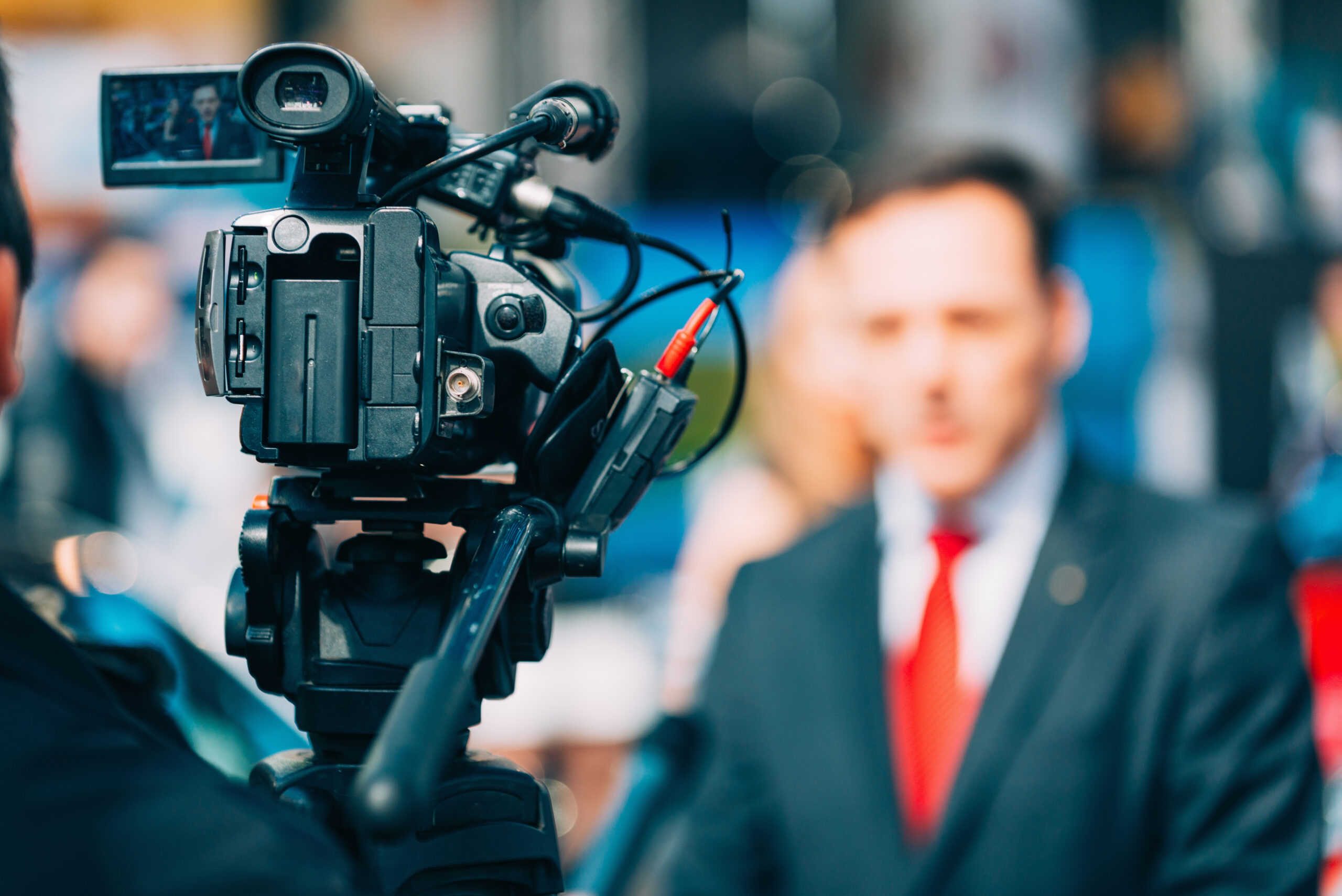
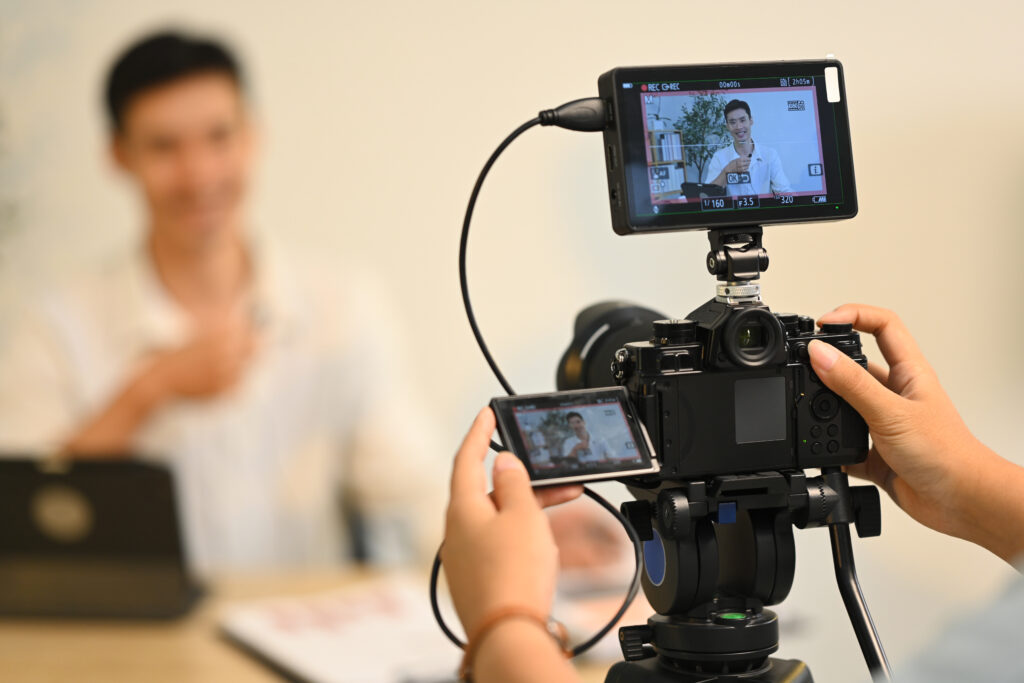
Frame: single-person, mid-shot (waist up), eye-line to camera. Use a neutral but locally relevant backdrop (e.g., office with a map of D.C., or a controlled outdoor shot near a recognizable but subtle landmark).
Audio: use a lavalier mic to ensure clarity in noisy environments.
Visuals: add caption file immediately and branded lower-thirds showing name and role.
TriVision capability: TriVision’s rapid-response crew specializes in same-day shoots, remote direction, and broadcast-quality edits — enabling D.C. clients to publish verified statements within hours.
4. DISTRIBUTE: Prioritize Channels and Verification
Action items:
Primary channels: Official website, Google Business Profile (post or video), YouTube, and verified social accounts (X/Twitter, Facebook, LinkedIn, Instagram).
Secondary: Email to stakeholders, press release with embedded video link, and direct outreach to local reporters (use a secure link or password-protected asset for embargoed materials).
Use pinned posts and profile banners to reduce confusion on social.
Why it matters: Consistent placement reduces the spread of conflicting narratives.
5. AMPLIFY: Partner With Trusted Local Voices
Action items:
Share the video with industry associations, local community leaders, and partner organizations to lend credibility and broaden reach.
If applicable, publish translated subtitles (Spanish, Amharic, French) for D.C.’s multilingual audiences.
Why it matters: Third-party validation stabilizes trust in a volatile moment.
6. TRACK & FOLLOW-UP: Measure Impact and Iterate
Action items:
Monitor engagement, sentiment, and earned media. Key metrics: views, watch time, shares, press pickups, and trending keywords in local search.
Publish a follow-up video when new facts are available. Maintain the same spokesperson if possible — consistency matters to audiences and search engines.
Practical Production Tips That Make Crisis Videos Perform
Open with the issue and the action in the first 10 seconds. People decide fast.
Use captions — 85% of social video is watched muted. Captions also help AI index the content.
Branded thumbnail with short, direct title (e.g., “CEO Statement on [Issue] — [Organization Name] — Washington, D.C.”).
Host canonical video on your domain and embed on other platforms. Search engines prefer the primary source URL.
Use Video Schema (JSON-LD) to help search engines index the clip as official content. Include
datePublished,author,description, andgeotags for D.C. relevance.Archive every statement with timestamps and transcripts for transparency and possible regulatory review.
TriVision capability: TriVision can not only film and edit these elements rapidly, but also implement video schema markup, produce localized thumbnails, and embed canonical videos on your D.C. landing pages.
Platform-Specific Strategies for D.C. Audiences
YouTube: Ideal for hosting official video and creating a public archive. Use descriptive titles with “Washington, D.C.” for geo signal.
Google Business Profile: Add a short video to your profile for immediate visibility in local search results.
X/Twitter & LinkedIn: Use short clips (30–60s) with a link to the full video and a clear CTA. Tag local media accounts when appropriate.
Instagram / Reels / TikTok: Use 30s clips for awareness; include text on screen and captions. These platforms spread fast among local community members.
Realistic Examples & Outcomes (Hypothetical but Practical)
Local nonprofit in D.C.: After a fundraising miscommunication, the nonprofit released a 90-second apology and corrected timeline. The video reduced social mentions of the issue by 60% in 72 hours and restored scheduled donations.
Tech firm in Arlington with data concerns: A short CEO statement posted to the company site, Google Business Profile, and LinkedIn regained control of the narrative, leading to timely press coverage that quoted the official video.
TriVision capability: TriVision’s case-driven approach focuses on measurable outcomes — correct messaging, platform placement, and post-video metrics review to minimize reputational damage.
Legal, Ethical, and Accessibility Considerations
Coordinate with counsel before making admissions or definitive claims.
Be truthful and transparent. Avoid speculation. Correct errors publicly.
Provide accessible versions (captions and audio descriptions) to meet community needs and D.C. accessibility expectations.
Preserve records of all published materials for compliance and auditing.
Measuring Success: What to Track After You Publish
Views & Watch Time — indicates reach and engagement.
Sentiment Analysis — track tone of comments and media coverage.
Press Pickup — number and credibility of outlets that cited the video.
Search Visibility — rank movement for relevant local queries (e.g., “{organization} statement Washington DC”).
Direct Inquiries/Leads — calls or emails referencing the video.
TriVision capability: TriVision offers post-result analytics and reporting so clients understand how the video shifted perception and search visibility across D.C. neighborhoods.
Final Checklist for Your First Crisis Video (Quick Reference)
Message map approved by PR & Legal
Primary spokesperson briefed and coached
Shot custom lower-third and branded thumbnail ready
Captions and transcript generated before publish
Video uploaded to canonical URL and YouTube, embedded in press release
Google Business Profile updated with the video
Distribution to local media and partners + translation if necessary
Monitoring and follow-up plan in place
Move Fast. Be Human. Be Accurate.
In Washington, D.C., where public scrutiny is intense and the news cycle moves quickly, crisis communication video production is not optional — it’s essential. The right video, produced quickly and distributed consistently, can stabilize stories, restore trust, and guide stakeholders toward resolution.
If you need a partner who understands the technical demands of rapid production and the high standards of D.C. audiences, TriVision combines strategic communications, rapid-response crews, live and recorded production, captioning, and search-optimized distribution to help organizations tell the right story at the right time.
Need a crisis-ready video kit or same-day production support in D.C.? Contact TriVision to build your crisis communication playbook and test your response before the next incident.
FAQs: Crisis Communication Video Production in D.C.
1. What is a crisis communication video?
A crisis communication video is a short, strategic message filmed during a public incident to share accurate information, reduce misinformation, and show leadership accountability. It’s usually delivered by an executive or spokesperson on camera and distributed across digital platforms. In Washington, D.C., where news moves fast and audiences expect transparency, these videos are one of the most effective tools for protecting brand reputation.
2. Why should organizations in Washington, D.C. use video for crisis communication?
Video builds trust faster than written statements. Seeing a real person speak directly adds emotional credibility and authenticity. In D.C., organizations often face media scrutiny and need to respond within hours. A well-produced video allows them to clarify facts, demonstrate empathy, and control the narrative before misinformation spreads.
3. How quickly can a crisis communication video be produced?
With the right preparation, a crisis video can be scripted, filmed, edited, and published within a few hours. TriVision Studios, based in the Washington, D.C. area, specializes in rapid-response video production, offering same-day filming and real-time post-production to help local organizations get their message out immediately.
4. What makes an effective crisis communication video?
An effective crisis video is:
Short: 60–120 seconds for clarity.
Sincere: Delivered by a real spokesperson, not a narrator.
Accurate: Focuses on confirmed facts only.
Branded: Uses consistent visual identity and captions.
Accessible: Includes subtitles and translations when needed.
TriVision ensures every crisis video aligns with these standards while meeting the pace of modern digital news cycles.
5. Where should crisis communication videos be posted?
Organizations should post their crisis communication videos on:
Their official website (as the primary source)
YouTube (for search visibility)
Google Business Profile (for local search results)
Social media (X/Twitter, LinkedIn, Facebook, Instagram)
Consistency across platforms ensures the message appears in local searches and prevents misinformation from outranking your official content.
6. How can a D.C.-based video production company like TriVision help?
TriVision offers end-to-end crisis video services: message development, spokesperson coaching, rapid filming, editing, captioning, localization, and SEO optimization. With decades of experience serving D.C.-area government agencies, nonprofits, and corporate clients, TriVision helps brands maintain control and credibility during their most sensitive moments.
7. What should organizations do after releasing a crisis video?
After publishing, monitor engagement and sentiment closely. Respond to major questions or concerns, track local media coverage, and post follow-up videos as new information becomes available. Transparency over time sustains public trust. TriVision can assist with analytics, reporting, and creating consistent updates to ensure the message stays aligned and effective.