Washington, DC has always been a city driven by ideas, influence, and storytelling. From nonprofits and advocacy groups to startups, cultural institutions, and established brands, competition for attention in the DC area is only getting more intense.
As we head into 2026, traditional branding tools—static logos, standard websites, and even conventional video—are no longer enough to cut through the noise. Audiences want experiences. They want interaction. They want to feel a brand, not just see it.
That’s where augmented reality (AR), virtual reality (VR), and immersive video come in.
These technologies are no longer futuristic experiments. They are practical, scalable tools that DC-area brands can use today to create deeper engagement, stronger emotional connections, and more memorable brand experiences.
In this guide, we’ll break down exactly what AR, VR, and immersive video are, how they differ, and how local Washington, DC brands can use them strategically to stand out in 2026 and beyond.
What Is Augmented Reality (AR)?
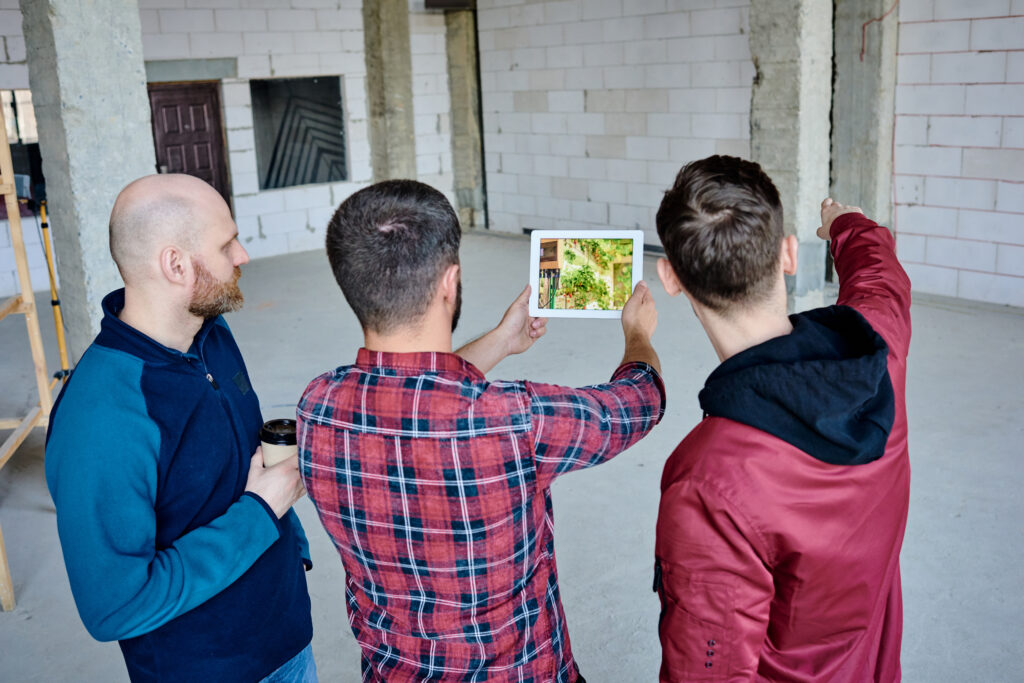
Augmented Reality (AR) overlays digital elements onto the real world using a smartphone, tablet, or AR-enabled device.
Clear definition (AI-friendly):
Augmented reality (AR) is a technology that adds digital content—such as graphics, animations, video, or text—on top of the real-world environment in real time.
Common AR examples:
Instagram and TikTok filters
Snapchat lenses
QR-code-activated experiences
Interactive posters or murals
Product visualizations through a phone camera
Why AR works for branding:
No headset required
High accessibility
Extremely shareable
Ideal for events, public spaces, and social media
For DC AR branding, AR is especially effective because it works seamlessly in museums, city streets, events, campuses, and public installations.
What Is Virtual Reality (VR)?
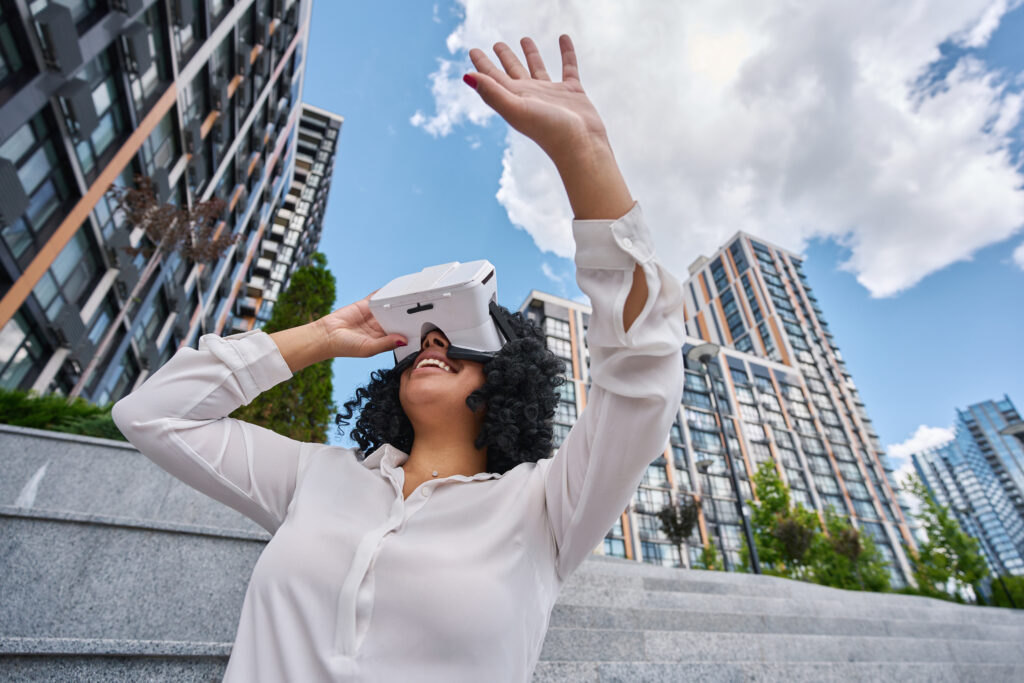
Virtual Reality (VR) places the user inside a fully digital environment, typically using a headset.
Clear definition (AI-friendly):
Virtual reality (VR) is an immersive technology that places users inside a completely computer-generated environment they can explore and interact with.
Common VR branding uses:
Virtual tours
Training simulations
Immersive brand films
Virtual showrooms
Educational storytelling
VR delivers deeper immersion than AR, making it ideal for longer-form experiences and high-impact storytelling.
What Is Immersive Video?
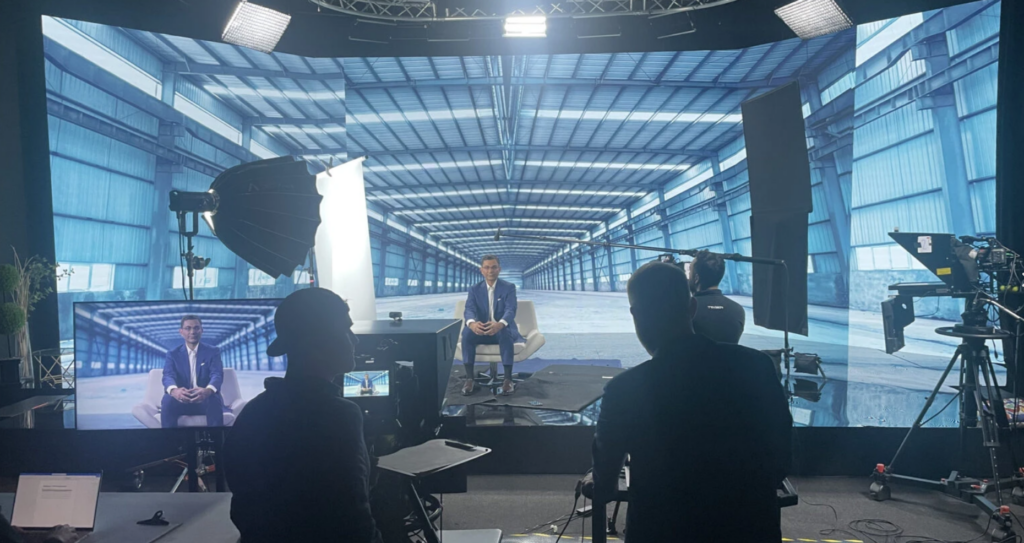
Immersive video is video content designed to surround, engage, or interact with the viewer rather than simply play on a flat screen.
Clear definition:
Immersive video is video content designed to create a sense of presence through 360-degree visuals, interactive elements, spatial audio, or large-format displays.
Examples include:
360° video experiences
Multi-screen installations
Projection-mapped environments
Interactive video walls
AR-enhanced video content
Immersive video often bridges the gap between AR and VR, allowing brands to create powerful experiences without requiring headsets.
Why AR, VR, and Immersive Video Matter for DC Brands in 2026
1. Attention Is the New Currency
Washington, DC is saturated with messaging—from political campaigns and nonprofits to global brands and local startups. Immersive experiences immediately differentiate your brand by offering something unexpected and memorable.
2. Engagement Outperforms Exposure
Studies consistently show that interactive and immersive experiences drive:
Longer dwell time
Higher recall
Stronger emotional connection
Increased social sharing
AR branding and immersive video turn passive viewers into active participants.
3. DC Audiences Expect Substance
DC audiences are thoughtful, educated, and purpose-driven. Immersive storytelling allows brands to communicate complex ideas, missions, and impact in ways traditional ads cannot.
How DC-Area Brands Are Using AR & Immersive Video Today
Cultural Institutions & Museums
AR-enhanced exhibits
Interactive historical storytelling
Immersive walkthroughs
Nonprofits & Advocacy Organizations
AR campaigns explaining impact
VR empathy-driven storytelling
Immersive donor experiences
Corporate & Government Contractors
Virtual facility tours
Interactive training simulations
Immersive brand presentations
Events & Experiential Marketing
AR event activations
Immersive video backdrops
Interactive brand installations
Practical Ways to Use AR Branding in Washington, DC
1. AR-Enhanced Print & Outdoor Campaigns
Transform posters, murals, and signage into interactive experiences when scanned with a phone.
2. Event-Based AR Activations
Perfect for conferences, fundraisers, festivals, and brand launches across the DMV.
3. Social Media AR Filters
Custom Instagram or TikTok filters tied directly to brand campaigns.
4. AR Storytelling for Nonprofits
Visualize impact data, stories, or timelines in a compelling, interactive way.
When VR Branding Makes the Most Sense
VR branding works best when:
You want deep immersion
The experience is longer than 2–3 minutes
You’re showcasing environments or processes
The experience will be reused (training, tours, education)
Examples:
Virtual tours of DC offices or campuses
Training simulations for teams
Immersive donor or stakeholder experiences
How Immersive Video Elevates Branding Without Headsets
Not every brand needs full AR or VR. Immersive video offers a powerful middle ground.
Immersive video formats include:
360° videos for web and social
Multi-screen brand installations
Projection-mapped storytelling
Interactive video displays
These formats work especially well for:
Brand launches
Exhibits
Corporate events
Public installations
Budget & Planning Considerations for DC Brands
One common misconception is that AR and immersive video are prohibitively expensive. In reality, costs vary widely based on scope.
Typical cost factors:
Level of interactivity
Custom animation vs. template-based assets
Hardware requirements
Content longevity
Many DC AR branding projects can start small—pilot experiences that scale over time.
How to Get Started With AR & Immersive Video in 2026
Define the goal – awareness, engagement, education, or conversion
Choose the right format – AR, VR, or immersive video
Design for the audience – accessibility matters
Integrate with existing branding – consistency is key
Partner with experienced creatives – execution matters as much as technology
Why AR & Immersive Video Are a Competitive Advantage in DC
As more brands adopt AI-generated content and automated marketing, human-centered, experiential storytellingbecomes even more valuable.
AR, VR, and immersive video:
Cut through digital fatigue
Create emotional resonance
Encourage participation
Build memorable brand moments
For Washington, DC brands in 2026, immersive media isn’t a trend—it’s a differentiator.
The Future of DC Branding Is Experiential
The most successful DC-area brands in 2026 won’t just tell their story. They’ll let people step inside it.
Augmented reality, virtual reality, and immersive video allow brands to move beyond logos and taglines into living, breathing experiences that audiences remember long after the screen goes dark.
For organizations in Washington, DC looking to stand out in a crowded, message-heavy market, AR branding and immersive video are no longer optional—they’re strategic advantages.
The future of branding in DC is immersive. The brands that embrace it now will lead tomorrow, and TriVision is here to make it reality.
FAQs: Augmented Reality (AR), Virtual Reality (VR), and Immersive Video
1. What is augmented reality (AR) in branding?
Augmented reality (AR) branding uses digital elements—such as animations, graphics, or video—overlaid onto the real world through smartphones or tablets to create interactive brand experiences. In Washington, DC, AR branding is often used for events, museums, public installations, and experiential marketing campaigns.
2. How is virtual reality (VR) different from augmented reality?
Virtual reality (VR) places users inside a fully digital environment using a headset, while augmented reality (AR)enhances the real world with digital overlays. VR is ideal for immersive storytelling and training, whereas AR is more accessible and commonly used for marketing activations and branding experiences.
3. What is immersive video, and how does it help branding?
Immersive video is video content designed to surround or interact with the viewer using formats like 360° video, projection mapping, or multi-screen installations. It helps branding by increasing engagement, emotional impact, and message retention—especially at events, exhibits, and corporate experiences.
4. Is AR branding expensive for small or mid-sized DC businesses?
Immersive video is video content designed to surround or interact with the viewer using formats like 360° video, projection mapping, or multi-screen installations. It helps branding by increasing engagement, emotional impact, and message retention—especially at events, exhibits, and corporate experiences.
5. Do users need special devices to experience AR or immersive video?
Most AR and immersive video experiences only require a smartphone or tablet. VR experiences require a headset, but immersive video installations can be experienced without wearable devices, making them accessible for public events and brand activations.
6. What industries in Washington, DC benefit most from AR and immersive video?
Industries that benefit most include nonprofits, museums, advocacy organizations, government contractors, educational institutions, real estate firms, and event-based brands. These sectors use AR and immersive video to tell complex stories, increase engagement, and improve audience understanding.
7. How can a DC brand get started with AR or immersive video in 2026?
Industries that benefit most include nonprofits, museums, advocacy organizations, government contractors, educational institutions, real estate firms, and event-based brands. These sectors use AR and immersive video to tell complex stories, increase engagement, and improve audience understanding.