Tips from a Washington DC Marketing Agency
Marketers often confuse integrated marketing with omnichannel marketing, treating them as if they mean the same thing. While both approaches aim to strengthen customer relationships, the way they do it is very different. Knowing the distinction can help you avoid wasted effort and choose the strategy that actually moves your business forward.
Whether you’re a Fortune 500 company or looking for marketing strategies for a small business, understanding these differences can help you choose the right path. As a Washington DC marketing agency serving clients locally and nationwide, TriVision often guides businesses in deciding whether an integrated or omnichannel approach best fits their goals.
In this article, we’ll define each strategy, explore their pros and cons, and provide actionable insights to help you make the right decision.
What is Integrated Marketing?
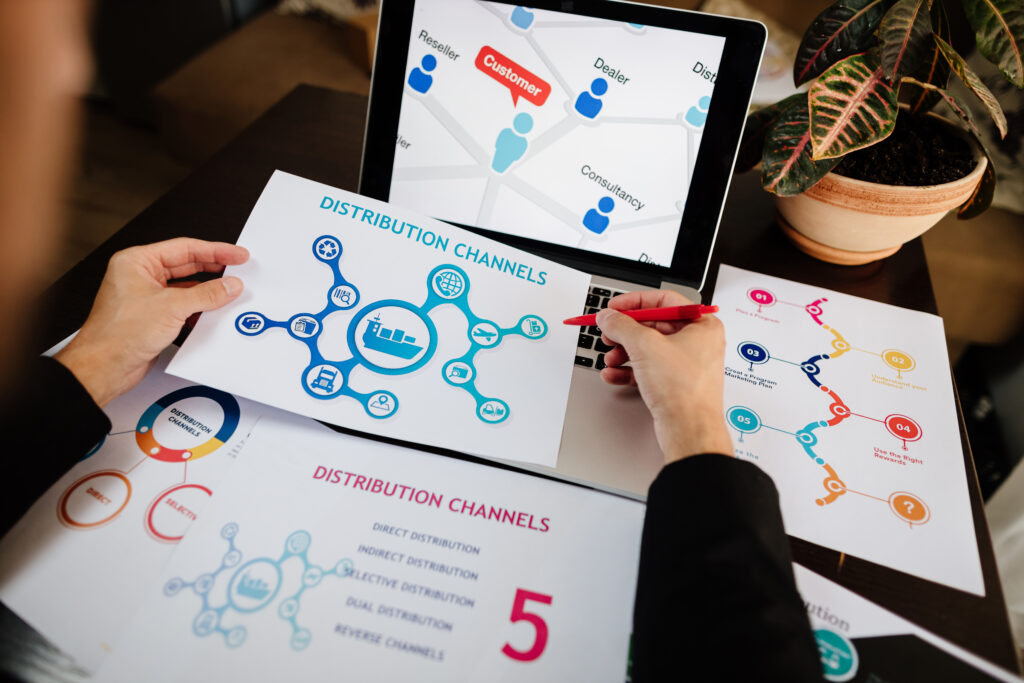
Integrated marketing is a strategy that ensures all your marketing efforts—across channels like social media, email, print, PR, and digital ads—work together to deliver a consistent brand message.
Definition: Coordinating communications across multiple platforms so the same theme and tone reach the audience no matter where they interact with your brand.
Example: A new product launch might use billboard ads, Instagram posts, press releases, and email campaigns—all featuring the same visuals and messaging.
Benefit: Creates brand recognition, boosts trust, and amplifies campaign results.
Key Traits of Integrated Marketing
Focuses on brand consistency.
Works best for short-to-mid-term campaigns.
Easier to manage with smaller teams and budgets.
Great for awareness-building and ensuring brand clarity.
- Is brand-centric, ensuring a consistent brand voice
Case Study:
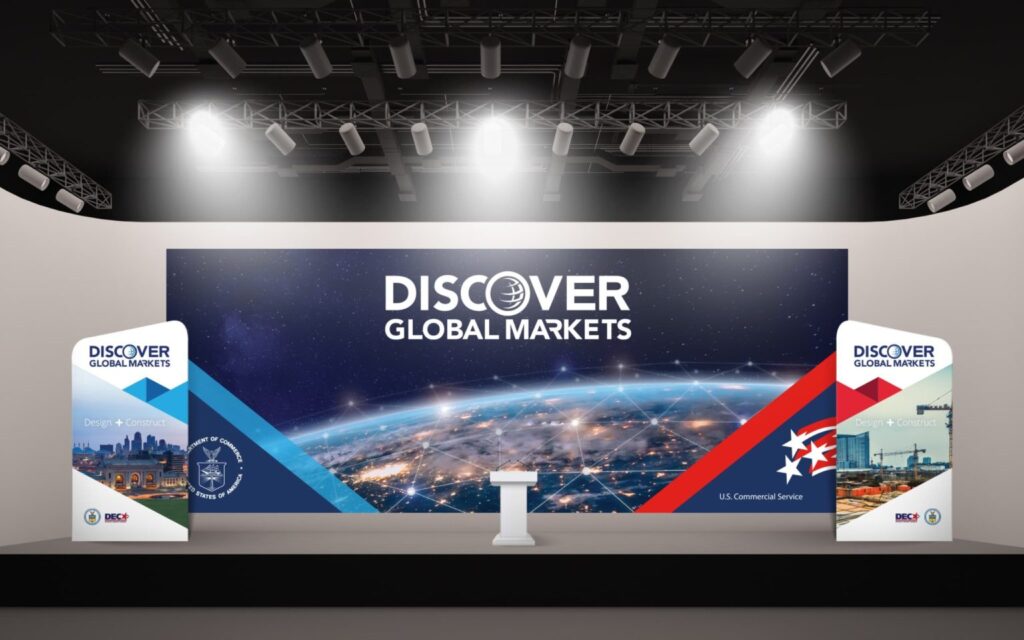
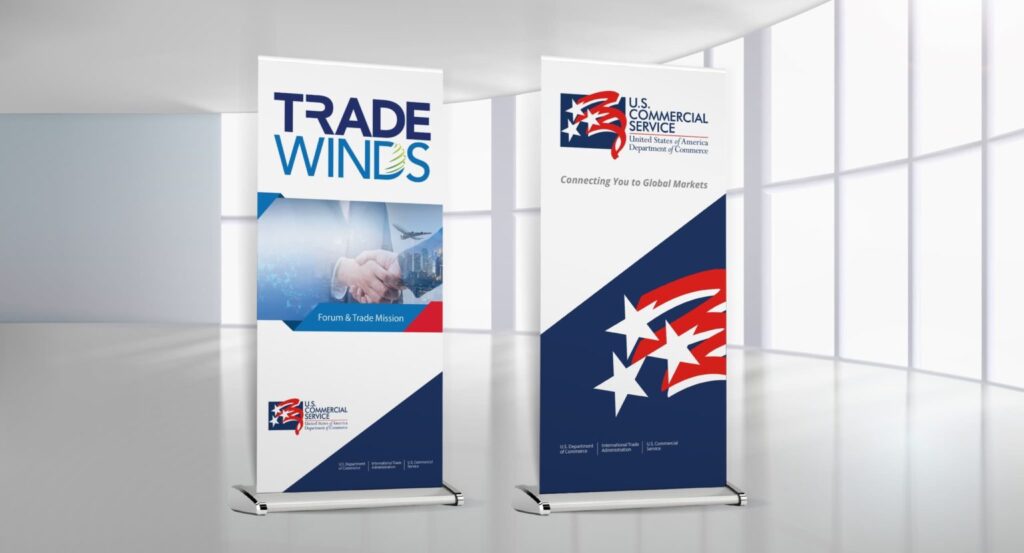
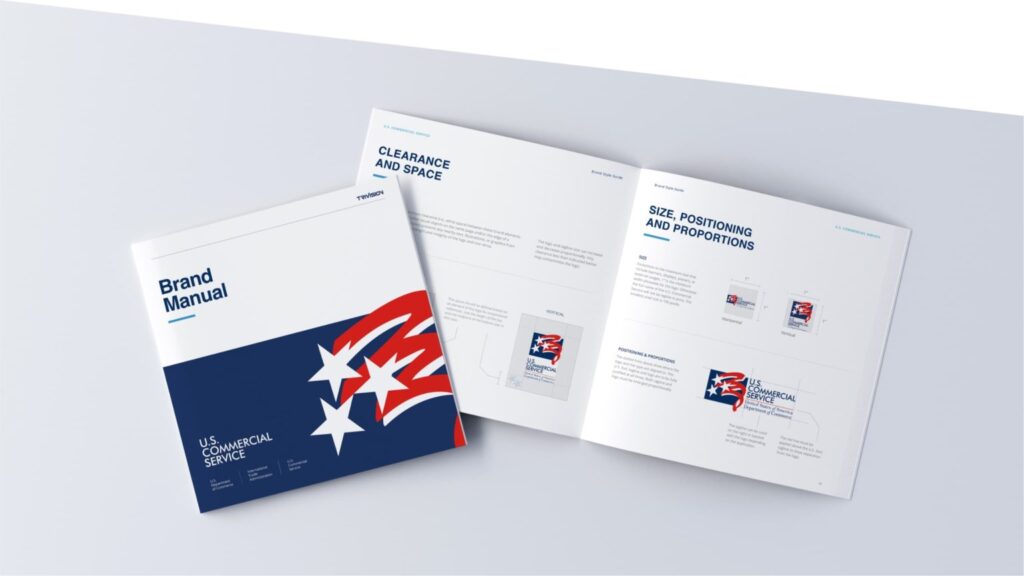
TriVision has proudly collaborated with the U.S. Department of Commerce and the U.S. Commercial Service to deliver fully integrated marketing solutions that amplify their global outreach. By combining video production, branding, digital campaigns, and print communications into cohesive strategies, we helped ensure their messaging remained consistent across all platforms and audiences. This integrated approach not only enhanced the visibility of U.S. trade initiatives but also strengthened engagement with international stakeholders, demonstrating how a unified marketing strategy can maximize impact for organizations with diverse, worldwide audiences.
What is Omnichannel Marketing?
Omnichannel marketing goes beyond consistency and focuses on creating a seamless customer experience across every touchpoint.
Definition: Delivering personalized, connected experiences across online and offline channels, ensuring customers can transition smoothly between them.
Example: A customer adds an item to their cart on your mobile app, gets a reminder email about it, and can complete the purchase in-store with the same discount automatically applied.
Benefit: Improves engagement, increases conversion rates, and builds long-term loyalty.
Key Traits of Omnichannel Marketing
Focuses on customer experience continuity.
Highly data-driven, using analytics to personalize touchpoints.
Ideal for long-term brand growth and retention.
Requires more advanced technology and cross-department alignment.
- Is customer-centric, creating a holistic, interconnected customer journey.
Case Study:
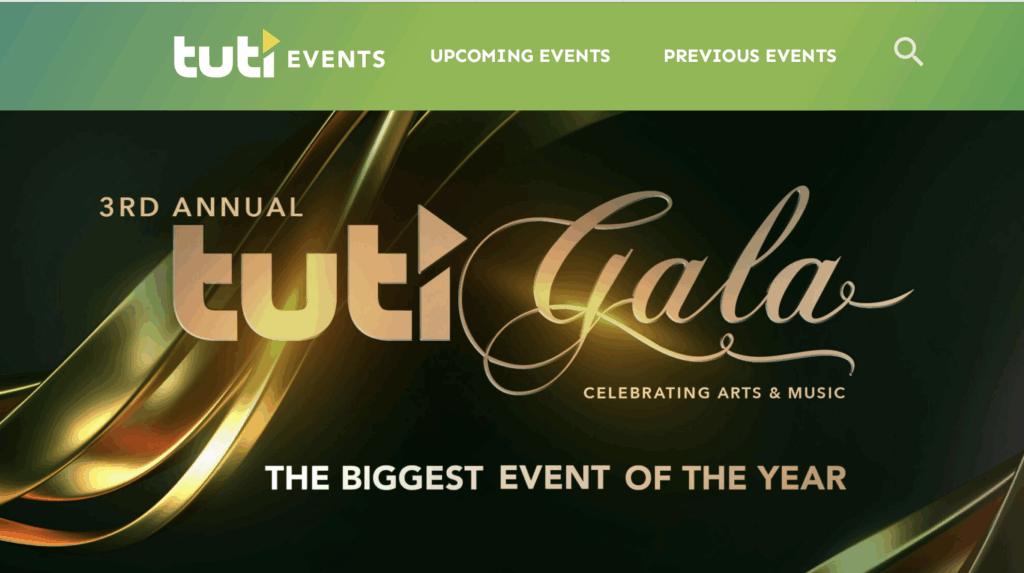
TriVision partnered with Tuti Media to deliver a comprehensive omnichannel marketing strategy that covered every stage of the customer journey for their annual signature event, the Tuti Gala. From developing a distinctive brand identity and designing a user-friendly website to creating engaging content across digital and traditional channels to promote the event, TriVision ensured that Tuti Media’s audience experienced a seamless and consistent brand presence at every touchpoint. By aligning branding, web, social, email marketing, advertisements, and customer engagement tools into one unified system, we helped Tuti Media strengthen recognition, improve user experience, and build long-term customer loyalty.
Integrated vs. Omnichannel Marketing: Key Differences
Here’s a quick comparison:
| Feature | Integrated Marketing | Omnichannel Marketing |
|---|---|---|
| Focus | Brand consistency | Customer experience |
| Approach | Campaign-based | Journey-driven |
| Data Use | Broad targeting | Real-time personalization |
| Best For | Awareness & recognition | Engagement & loyalty |
| Example | Consistent branding in an ad campaign | Cart sync across web, app, and store |
Which Strategy is Right for Your Business?
The answer depends on your business size, resources, and customer expectations.
Small businesses: Integrated marketing is often the smarter starting point. It’s easier to coordinate consistent campaigns across a few channels without heavy investment in technology.
Mid-sized to large businesses: Omnichannel marketing makes sense if you have access to CRM systems, customer data, and a team that can manage complex customer journeys.
If your customers demand seamless transitions (e.g., retail, healthcare, financial services), omnichannel is a must.
If your main goal is brand awareness and you’re working with limited resources, integrated marketing is more practical.
As a Washington DC marketing agency, TriVision often helps businesses start with integrated marketing and then evolve into omnichannel strategies as their technology and resources grow.
Actionable Insights
Audit Your Current Marketing: Are your campaigns consistent across channels, or do they feel fragmented?
Evaluate Customer Expectations: Do your customers interact with you across multiple touchpoints like mobile, web, and in-person?
Start Small: A small business marketing strategy may begin with integration before layering in personalization tools for omnichannel.
Invest in Data: Omnichannel requires strong analytics, CRM integration, and sometimes AI-driven personalization.
Partner with Experts: Agencies like TriVision can guide your journey from integrated campaigns to omnichannel ecosystems.
Examples in Action
Integrated Marketing Example: Coca-Cola’s “Share a Coke” campaign featured consistent branding and messaging across TV, social, outdoor, and packaging—building global recognition.
Omnichannel Marketing Example: Starbucks Loyalty Program uses its app to connect loyalty points with in-store and online purchases, ensuring customers have a seamless, personalized experience wherever they engage.
Conclusion
Both integrated marketing and omnichannel marketing play powerful roles in shaping how customers perceive and interact with your brand. The right choice depends on your resources, goals, and audience expectations.
For small businesses, starting with integrated marketing ensures consistent messaging and stronger brand recognition. As you grow, shifting toward omnichannel strategies allows you to deliver personalized, seamless customer experiences that build loyalty.
If you’re looking for expert guidance, TriVision—a Washington DC marketing agency—can help design and implement the marketing strategy that works best for your business today while setting you up for tomorrow’s success.
FAQs on Integrated Marketing vs. Omnichannel Marketing
1. What’s the main difference between integrated and omnichannel marketing?
Integrated marketing is about ensuring brand consistency across multiple channels—your ads, emails, social media, and website all share the same message and creative elements. This approach is ideal for campaigns focused on awareness and recognition. Omnichannel marketing, on the other hand, takes things further by creating a seamless and personalized customer journey across all touchpoints, whether online, in-store, or mobile. While integrated campaigns unify your voice, omnichannel strategies unify the entire experience, making them more customer-centric and data-driven. Businesses often start with integrated campaigns and transition to omnichannel as they scale.
2. Is omnichannel marketing only for large companies?
While it’s true that omnichannel strategies were pioneered by enterprise brands with large budgets, they’re no longer exclusive to them. Thanks to affordable marketing automation platforms like HubSpot, Klaviyo, and Mailchimp, even small businesses can implement omnichannel tactics on a smaller scale. For example, a boutique retailer can connect its online store with email marketing and social ads to remind customers of abandoned carts. The key is leveraging customer data to deliver consistency and personalization without overwhelming your resources. In today’s marketplace, consumers expect seamless transitions between channels regardless of business size.
3. How does integrated marketing help a small business?
Integrated marketing helps small businesses maximize their limited resources by amplifying a single campaign message across multiple platforms. Instead of creating unique campaigns for every channel, small businesses can focus on one strong theme and push it consistently through email, social, PR, and digital ads. This boosts efficiency, improves brand recall, and ensures a professional presence that rivals larger competitors. For instance, a local restaurant running a new seasonal menu can use the same branding across flyers, Instagram posts, and email newsletters. By reinforcing the same message everywhere, integrated marketing ensures every dollar spent works harder.
4. Can a business use both integrated marketing and omnichannel marketing strategies?
Yes — in fact, many companies benefit most from a hybrid approach. Businesses often start with integrated marketing because it’s easier to coordinate and cost-effective. As they grow, they incorporate omnichannel elements, such as customer journey mapping, CRM integration, and personalized retargeting. For example, a business may launch an integrated branding campaign and then use omnichannel tools to personalize offers for customers who engage online or in-store. Using both strategies allows brands to maintain a unified voice while also tailoring experiences based on customer behavior. Ultimately, this evolution ensures your marketing remains consistent while also meeting modern expectations for seamless engagement.
5. How can a Washington DC marketing agency like TriVision help with integrated marketing?
TriVision specializes in creating cohesive, multi-channel campaigns that align your brand message across every platform. As an experienced Washington DC marketing agency, we understand how to blend traditional advertising (TV, radio, print) with digital channels (social media, SEO, PPC) for maximum impact. For example, if you’re launching a new product, TriVision can design the visuals, manage PR outreach, produce video ads, and develop a website landing page that all share the same creative theme. This ensures your brand has a consistent, professional voice that builds recognition and trust, even on a limited budget.
6. What role does TriVision play in developing an omnichannel marketing strategy?
Omnichannel marketing requires advanced coordination, technology, and creative execution, and TriVision helps businesses bridge these gaps. Our team works with you to analyze customer data, map out journeys, and build systems that connect digital and offline experiences. For example, we can design a campaign where a customer sees a Facebook ad, clicks through to a responsive website, and later receives a personalized email reminder—all tracked through CRM tools. By partnering with TriVision, businesses gain access to a full-service creative team that can deliver seamless, personalized customer experiences across channels.
7. What marketing strategies for a small business does TriVision recommend?
For small businesses, TriVision typically recommends starting with integrated marketing because it provides the highest ROI with fewer resources. Consistency in branding across social media, email, and local advertising ensures you look polished and professional. As your business grows, TriVision can help you incorporate omnichannel elements like customer data personalization, retargeting, and loyalty programs. This staged approach allows you to compete with larger brands while staying within budget. Many of our small business clients in the Washington DC area have successfully scaled from local campaigns to regional omnichannel strategies with our guidance.
8. How does TriVision’s expertise in media production enhance marketing strategies?
TriVision is more than a marketing agency — we’re also a media production powerhouse. Our in-house video, design, and branding teams ensure your campaigns don’t just look consistent but also stand out creatively. For integrated campaigns, we produce commercials, graphics, and branded content that can be adapted across multiple platforms. For omnichannel efforts, we design dynamic video ads, motion graphics, and interactive visuals that feel cohesive whether the customer sees them on social media, your website, or in a physical environment. This creative strength helps businesses deliver visually compelling experiences that resonate and convert.