Introduction: Why Quiet Luxury is Dominating Brand Conversations in 2025
Loud logos are out. Understated elegance is in.
In 2025, the concept of quiet luxury branding has evolved from a fashion trend into a full-blown branding movement. From high-end fashion houses to luxury tech and hospitality brands, businesses are shifting toward a more refined, minimal, and intentional image. This isn’t just a style choice—it’s a strategy. Quiet luxury branding is reshaping how premium brands position themselves, connect with affluent consumers, and build long-term loyalty.
In this article, we’ll unpack what quiet luxury means in the context of modern branding, explore why it’s gaining traction, and break down actionable insights for businesses looking to adopt a luxury brand strategy in 2025 that aligns with the quiet luxury ethos.
What Is Quiet Luxury Branding?
Quiet luxury branding refers to a brand approach that prioritizes subtlety, craftsmanship, exclusivity, and timeless appeal over flashy logos or overt displays of wealth.
Rather than shouting status, quiet luxury whispers sophistication. It appeals to a clientele that seeks authenticity, quality, and heritage without the need for attention-grabbing aesthetics.
Key characteristics:
Minimalist, high-quality design
Understated brand visuals
Focus on craftsmanship and materials
Limited or no visible logos
Timeless color palettes
Story-driven brand narratives
Example:
Brands like Brunello Cucinelli, The Row, and Loro Piana have championed this style in fashion. In other industries, companies like Aman Resorts, Apple (in its packaging and UI design), and even Bentley Motors are embracing quieter forms of luxury.
Why Is Quiet Luxury Trending in 2025?
1. Wealth Is Getting More Discreet
The ultra-wealthy are increasingly favoring privacy and subtlety. After a decade of influencer-driven, logo-heavy aesthetics, today’s luxury consumers (especially Gen X and Millennial HNWIs) seek authenticity and refinement.
2. Post-Pandemic Recalibration
After COVID-19, values shifted. Consumers now prioritize substance over status. Sustainability, wellness, and emotional resonance play a bigger role in brand preference.
3. Backlash Against “Loud” Consumerism
Flashy wealth has become synonymous with inauthenticity. Brands seen as flaunting excess risk alienating key audiences. In contrast, discreet luxury marketing feels more aligned with modern sensibilities.
4. The Influence of Pop Culture
From Succession to Gwyneth Paltrow’s trial outfits, media has spotlighted the quiet luxury aesthetic—wool coats, neutral tones, unbranded accessories. The cultural cachet is shifting.
How to Build a Quiet Luxury Brand Strategy in 2025
Creating a sophisticated quiet luxury branding strategy that aligns with quiet principles doesn’t mean abandoning visibility—it means refining how you express value.
Here are actionable strategies for applying minimalist branding trends to your premium business:
1. Invest in Timeless Visual Identity
Minimal doesn’t mean boring. Your brand’s visual language should reflect restraint and refinement.
✅ Design elements to focus on:
Muted color palettes (e.g., taupe, ivory, charcoal)
Serif or clean sans-serif typography
Clean, editorial-style photography
Spacing and balance in all layouts
🖥 Tip: Your website should feel like a high-end boutique—clean, fast-loading, and free from clutter.
2. Prioritize Materials and Craftsmanship in Messaging
Luxury today is about how something is made, not just what it is. Highlight quality over quantity.
✅ Include:
Behind-the-scenes videos or articles showing production
Interviews with artisans or creators
Sourcing transparency for fabrics, ingredients, or materials
📈 SEO Insight: Long-tail keywords like “handcrafted leather bags DC” or “organic skincare with French ingredients” align well with premium brand identity searches.
3. Refine Your Brand Storytelling
Instead of buzzwords, tell your story with intention. Emphasize origin, process, and purpose.
🔁 Replace:
“Best-in-class innovation”
✅ With: “Rooted in Nordic design philosophy, each product is built to last generations.”
🎤 Voice should feel personal, confident, and informed—never salesy.
4. Adopt a Limited, Curated Product Offering
Exclusivity is core to quiet luxury. Offer fewer items, more thoughtfully.
✅ Strategies:
Curated capsule collections
Seasonal or limited editions
Private client releases
💡 Example: A high-end furniture brand in DC may release one bespoke collection per year, documented via video and supported by client testimonials, creating a halo effect of rarity.
5. Choose Discreet Distribution Channels
Rather than broad retail availability, quiet luxury branding often focus on:
Direct-to-consumer (DTC) experiences
Private appointments
Members-only access
Boutique retail partnerships
Digital Tip: Your online store should reflect this—consider gated content for top-tier buyers or invite-only sales previews.
6. Use Influencers Strategically—or Not at All
Quiet luxury branding doesn’t typically align with flashy influencer marketing.
✅ Alternatives:
Partner with taste-makers who share your values (designers, stylists, chefs)
Feature real customers in polished but organic testimonials
Focus on editorial placements in high-end publications
📷 Content Idea: Show a customer’s journey from discovery to purchase to usage—highlighting their lifestyle, not just your product.
7. Sustainability as Sophistication
For many luxury consumers, sustainability is non-negotiable.
✅ Do this:
Source ethically and tell that story
Use biodegradable packaging
Offer product longevity (repairs, reusability)
♻️ Example: A luxury jewelry brand could showcase how each piece is made using recycled gold and conflict-free stones—without shouting it. Let your quality speak for itself.
Case Study: Ambar Luxury Homes:
Crafting a Quiet Luxury Brand for the DC Region
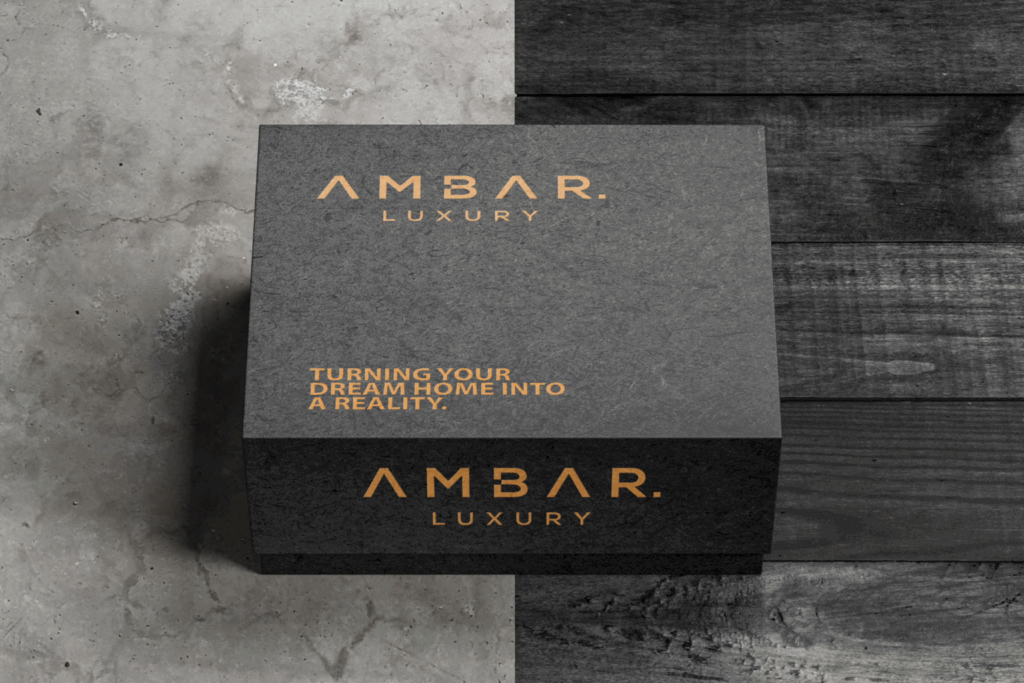
An example of TriVision’s quiet luxury approach to branding—reflected in the refined design, minimalist identity, and timeless logo we crafted for Ambar Luxury Homes.
When Ambar Luxury Homes launched as a custom home builder in the Washington DC, Northern Virginia, and Maryland region, the founders knew they didn’t want a loud, salesy brand. They envisioned something elevated, intentional, and refined—true to the values of quiet luxury branding.
TriVision was brought on to develop their full identity, from brand positioning to digital presence. Early in the process, we helped transition the name from Ambar Homes to Ambar Luxury Homes, immediately signaling exclusivity and aligning with a premium brand identity.
We designed a timeless logo, a minimalist color palette, and sleek brand visuals that emphasized craftsmanship and elegance. Their new website, Ambar.Luxury, showcases high-end projects through a clean, intuitive interface. Every detail—from typography to copy tone—was crafted to speak directly to affluent buyers seeking discretion, not flash.
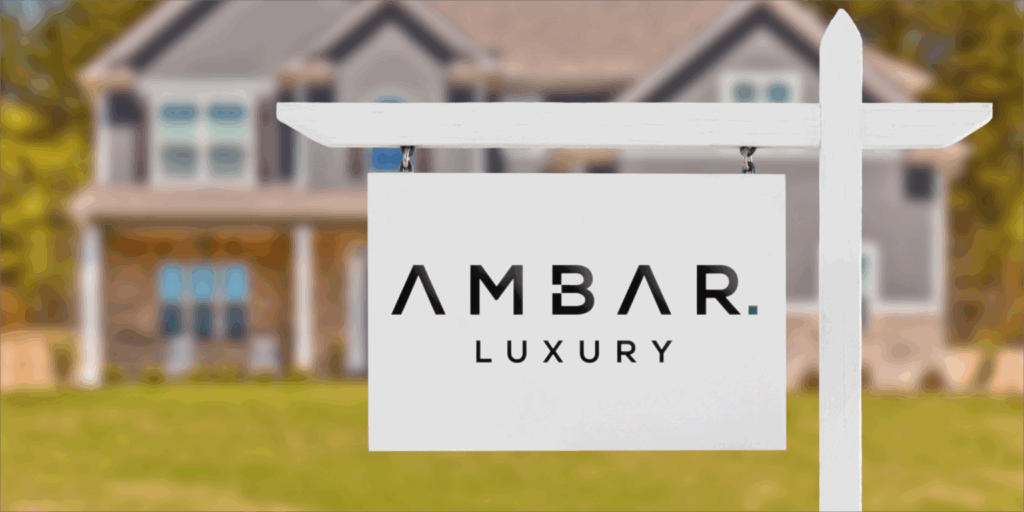
Our team also created supporting materials, including understated signage, elegant business cards, and social media templates that reflect modern luxury brand storytelling.
Ambar’s brand now lives comfortably in the space where sophisticated branding meets real estate—quietly communicating value through every touchpoint.
This project demonstrates how emerging brands can break through in crowded markets by leaning into quiet luxury marketing strategy—using subtle design, focused messaging, and thoughtful digital presence to build trust with high-end audiences.
Other Brands Successfully Embracing Quiet Luxury in 2025
Here are a few case studies of brands across industries that embody quiet luxury principles:
Aman Resorts
No big signs. No busy lobbies. Just serenity, exclusivity, and $3,000/night rooms. Their marketing is muted, poetic, and deeply aligned with well-being and heritage. Aman Resorts relies on word-of-mouth marketing and building a strong brand identity through carefully curated experiences.
Apple (Post-2020s Design Ethos)
Though mass-market, Apple’s unboxing experience, packaging, and UI exemplify quiet luxury. Every detail feels intentional. Their marketing is focused on simplicity, exclusivity, and emotional connection.
Celine under Hedi Slimane
Muted tones, impeccable tailoring, minimal logos. Celine has mastered the art of appealing to younger audiences without compromising on restraint. Celine’s marketing strategy emphasizes exclusivity and high-end appeal to a discerning clientele.

TriVision’s branding for Ambar Luxury Homes focused on simple phrases, a neutral color palette, and intentional, understated design.
What Consumers Expect from Quiet Luxury Brands
According to a 2024 Bain & Company report, affluent consumers under 45 expect the following from luxury brands:
Subtlety (avoid flash)
Sustainability (proof, not just claims)
Craftsmanship (detail and origin stories)
Emotionally resonant branding (not transactional)
Personalized experiences (digital and in-person)
This aligns perfectly with the direction quiet luxury is heading in 2025.
Conclusion: The Future Is Quiet—and That’s a Good Thing
In a world overflowing with noise, quiet luxury branding is winning by doing less—but doing it better.
As consumer tastes mature and technology allows for more personalized, direct communication, the brands that will thrive are those that understand understatement is the new status symbol.
Whether you’re a fashion house, a boutique creative agency, a high-end product maker, or a design-forward hospitality group, aligning your brand with luxury brand strategy 2025 principles like minimalism, elegance, and emotional storytelling will position you for long-term success.
✅ Ready to Elevate Your Brand?
At TriVision, we help premium brands craft compelling stories and minimalist visuals that align with modern luxury sensibilities. From elegant brand identities to cinematic content that feels personal and powerful, we can help bring your quiet luxury vision to life. Visit our portfolio to check out our branding samples.