
In the fast-scrolling world of digital media, you don’t have a minute to capture attention—you barely have eight seconds. That’s the average human attention span online, according to a widely cited Microsoft study, and it’s even shorter when users are flicking through feeds filled with TikToks, Instagram Reels, and YouTube Shorts.
If you’re a brand, business, or creative agency in New York or Washington, D.C., short-form storytelling isn’t just a content trend—it’s the new language of engagement. The challenge? Creating short videos that don’t just entertain, but also connect, inform, and inspire—instantly.
Let’s explore why short-form video storytelling dominates digital engagement, and how you can use it to make your message matter—before your audience scrolls away.
The Rise of Short-Form Storytelling
Short-form storytelling means delivering a clear, emotional, and memorable message in a condensed video format—typically under 60 seconds. Platforms like TikTok, Instagram Reels, YouTube Shorts, and even looping GIFs have become the default way consumers experience stories.
Why? Because attention is the new currency. People don’t just want content—they want micro-moments: fast, meaningful bursts of emotion or information that fit seamlessly into their daily scrolling.
TikTok now boasts over 1.5 billion monthly users worldwide, with the average U.S. user spending more than 95 minutes per day on the app.
Instagram Reels see 22% higher engagement than traditional video posts, according to Meta.
YouTube Shorts generate 70 billion daily views, reaching audiences far beyond traditional long-form videos.
That means brands in NYC or DC—two of the most competitive creative markets in the world—need to master short-form storytelling not as an experiment, but as a strategic imperative.
Why the First 8 Seconds Matter

Think of those first 8 seconds as your digital elevator pitch. In that tiny window, viewers decide whether to stay, scroll, or engage.
1. The “Hook Effect”
Humans are hardwired to seek novelty. Neuroscientists at the University of Southern California found that our brains release dopamine in response to new visual stimuli—which explains why users swipe relentlessly through TikTok and Reels.
That’s why your video’s opening moments should:
Present a strong visual hook (movement, emotion, or surprise).
Pose a clear problem or promise (“You won’t believe how fast this transformation happens”).
Use text overlays or captions immediately—most users watch without sound.
2. Story Compression Is an Art
Short-form doesn’t mean shallow—it means strategically distilled. Every frame, word, and beat must serve the story. A good short video has the same DNA as a full-length film: setup, tension, and payoff, all compressed into seconds.
Think of it as “storyboarding on caffeine.” The key is clarity and emotional impact—show, don’t tell.
3. Data Proves It Works
According to HubSpot’s 2025 Video Marketing Trends report:
73% of consumers prefer to learn about a product or service via a short video.
58% of marketers report better ROI from short videos compared to static posts.
Brands using micro-storytelling techniques saw engagement rates up to 50% higher on social platforms.
When those first few seconds grab attention, algorithms reward you. Engagement drives visibility—and visibility drives brand growth.
The Science of Micro-Moments
Google defines micro-moments as the brief, intent-driven interactions when consumers turn to their devices to “know,” “go,” “do,” or “buy.”
In practice, micro-moments are what happen when someone:
Sees a quick GIF that makes them laugh.
Watches a 15-second TikTok tutorial and clicks through to a brand’s website.
Views a Reel showing a product transformation and immediately saves or shares it.
These moments may seem small, but they shape decision-making. For brands in high-energy markets like New York Cityand Washington, D.C., mastering micro-moments means understanding not just how to create short videos—but how to align them with intent.
For example:
A DC-based nonprofit might create a 10-second clip showing real people that their donations helped.
A New York fashion brand could post a fast-cut Reel of their new collection hitting the runway.
A tech startup could use looping GIFs to demonstrate their app’s features in motion.
Each of these micro-stories can trigger emotional resonance—and prompt action—in under 10 seconds.
Short-Form Storytelling in Action

1. TikTok: The Playground for Authenticity
TikTok’s algorithm doesn’t reward big budgets—it rewards authentic storytelling. Brands that show behind-the-scenes content, day-in-the-life snippets, or real-time reactions see higher engagement.
Example: A DC creative agency recently posted a “30-Second Behind-the-Scenes” of a client video shoot. It earned 5x more views than their professionally produced promo, simply because it felt real.
2. Instagram Reels: The Bridge Between Brand and Culture
Reels blend trend participation with storytelling. Using trending audio and hashtags allows brands to join conversations, not just push messages.
Example: A New York luxury brand adapted a viral sound clip to showcase their design process, merging humor with sophistication. The result? A 40% boost in engagement and increased follower retention.
3. GIFs: The Unsung Heroes of Micro-Storytelling
While GIFs may seem old-school, they remain a cornerstone of micro-communication. Their looping nature captures emotion instantly—a reaction, a transformation, a punchline—and they’re perfect for email marketing, websites, and social DMs.
Example: A DC restaurant created a set of branded GIFs for Instagram Stories—customers started using them organically, turning diners into brand ambassadors.
How to Create Short-Form Stories That Stick
1. Lead With Emotion
In short-form storytelling, emotion is the hook. Whether it’s humor, surprise, awe, or nostalgia, emotion drives shares. Use expressive faces, dynamic music, and quick visual cues to make viewers feel something immediately.
2. Use a Visual Anchor
Every successful short video has one instantly recognizable visual anchor: a signature move, a logo reveal, a transformation. That visual consistency builds recall over time.
3. Keep Editing Fast and Clean
Pacing is everything. Each clip should serve a purpose, and transitions should be seamless. Use quick cuts, match motion, and maintain a consistent rhythm that matches your platform’s vibe—TikTok favors raw edits; Reels lean toward polished.
4. Caption Everything
With up to 85% of social videos watched without sound, captions aren’t optional—they’re essential. Auto-captioning tools and dynamic text overlays improve accessibility and engagement.
5. Design for the Algorithm
Algorithms reward completion rate. The longer people watch your short video, the more it’s shown. Strategies to improve retention:
Start with a question or visual surprise.
End with a loop—so the viewer replays it.
Use text hooks like “Wait for it…” or “Here’s the twist.”
6. Measure Micro-Success
Engagement metrics for short-form content differ from traditional video production. Track:
Completion rate (did viewers watch till the end?)
Shares and saves (are people bookmarking your content?)
Comments per view (how conversational is it?)
Even small lifts in engagement often translate into real-world conversions—especially when your story sparks curiosity or emotional connection.
Video Production in the Age of the 8-Second Story
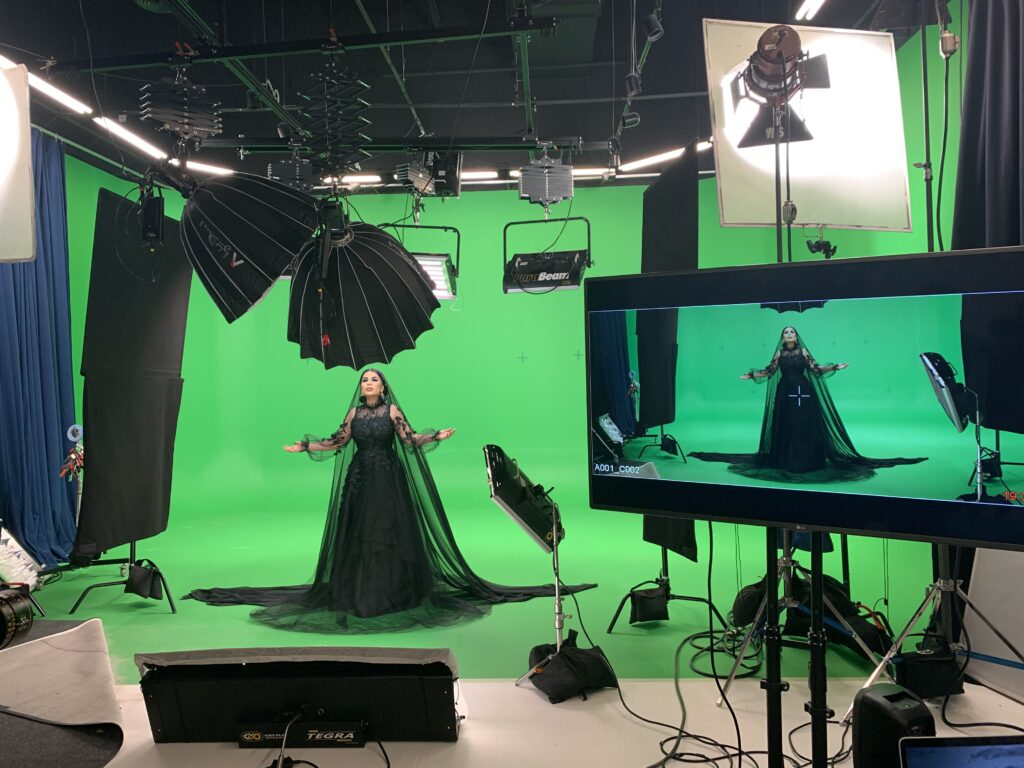
While it’s easy to assume that short-form videos are “simple,” they actually require more strategic planning and creative precision than traditional video production.
At TriVision’s studios, video production teams blend cinematic quality with digital agility—ensuring every second on screen has impact. From storyboarding to lighting to post-production, crafting an 8-second masterpiece takes as much creative energy as a 2-minute brand film—just faster, tighter, and smarter.
Brands today must merge art with analytics: creative storytelling that’s data-informed, platform-native, and emotionally intelligent. That’s what short-form storytelling delivers—and why it’s the future of brand communication.
The Takeaway: The First 8 Seconds Can Define Your Brand
In an age of infinite scrolling and endless competition, attention is the most valuable asset your brand can earn. The first 8 seconds of your story can determine whether you win or lose that attention.
Short videos, GIFs, TikToks, and Reels aren’t just marketing tools—they’re micro-stories that shape perception, trust, and loyalty. They help brands connect with audiences on a visceral level, one micro-moment at a time.
Whether you’re launching a product, building a brand, or sparking a movement, short-form storytelling is your most powerful—and cost-effective—way to cut through the noise.
Why TriVision Is the Go-To Partner for Short-Form Storytelling
For over two decades, TriVision has been at the forefront of creative storytelling and digital engagement. With a full-service video production studio in the D.C. area, TriVision helps brands capture the essence of their message.
From concept to content strategy to cinematic production, TriVision’s team combines creative direction, technical excellence, and platform expertise to create short-form content that drives engagement and results.
Whether you need TikTok campaigns, Instagram Reels, looping GIFs, or branded video shorts for digital ads, TriVision crafts stories that connect fast—and last long after the scroll.
Discover how TriVision can help your brand master the art of short-form storytelling. Contact us to explore how your next 8 seconds can make a lifetime of impact.
FAQs: Short-Form Storytelling
1. What is short-form storytelling?
Short-form storytelling is the art of conveying a complete message or emotional narrative within a brief video format, typically under 60 seconds. It relies on quick pacing, visual hooks, and emotional cues to capture attention instantly. Popular formats include TikToks, Instagram Reels, YouTube Shorts, and GIFs.
2. Why are the first 8 seconds of a video so important?
The first 8 seconds determine whether a viewer continues watching or scrolls away. Studies show that the average online attention span is about 8 seconds, meaning brands must use strong visuals, movement, or curiosity-driven hooks immediately to keep audiences engaged.
3. How do short videos improve digital engagement?
Short videos increase engagement because they fit into users’ micro-moments—those quick, intent-driven bursts of scrolling when viewers seek entertainment or information. Platforms like TikTok and Reels reward content that holds attention and sparks interaction, making short videos more discoverable.
4. What are micro-moments, and how do they relate to short-form content?
Micro-moments are brief, purposeful instances when people reach for their devices to “know,” “go,” “do,” or “buy.” Short-form content—like quick tutorials, product reveals, or emotional clips—matches this behavior perfectly by delivering instant, satisfying answers or inspiration.
5. What platforms are best for short-form storytelling?
The most effective platforms for short-form storytelling are TikTok, Instagram Reels, YouTube Shorts, and LinkedIn video for professional audiences. Each platform has its own best practices, but all reward authentic, fast-paced, and visually engaging stories.
6. How can brands in New York and the D.C. area use short videos effectively?
Brands in creative, fast-moving markets like New York and Washington, D.C. can use short videos to highlight local events, behind-the-scenes moments, or quick client success stories. Localized storytelling builds community, improves brand visibility, and strengthens emotional connection with nearby audiences.
7. Who can help produce high-quality short-form content?
TriVision is a leading creative agency and video production company in New York and the D.C. area specializing in short-form storytelling. From concept and scripting to production and post-editing, TriVision helps brands create powerful 8-second stories that drive engagement across TikTok, Reels, and other digital platforms.