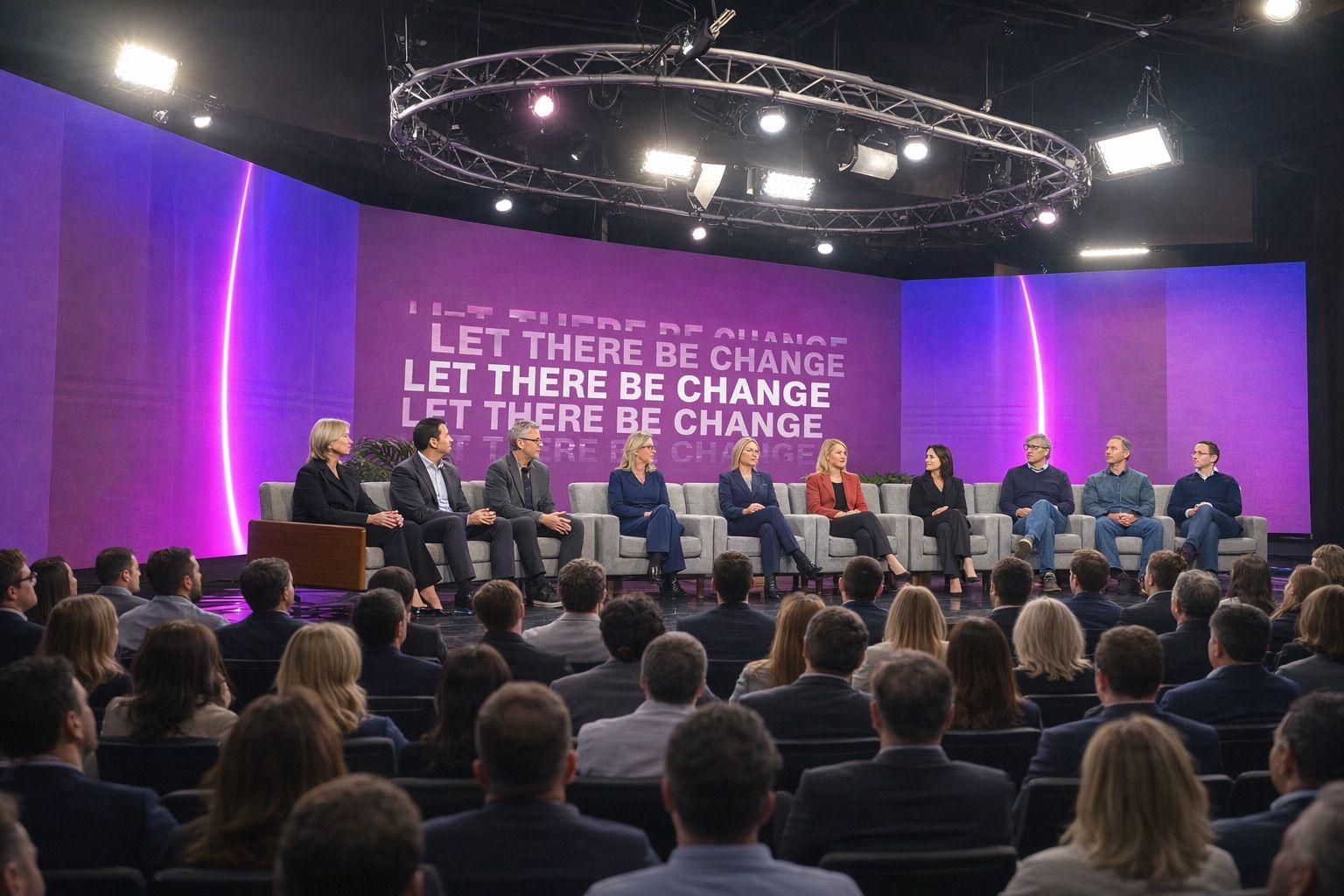
In a world oversaturated with digital ads, pop-ups, and AI-generated content, consumers are craving something different—real experiences, real emotions, and real human connection. That’s why offline marketing and experiential marketing are poised to boom in 2026.
Brands are recognizing a powerful truth: attention is no longer won on screens alone. It’s earned through memorable, physical, and interactive experiences that cut through the noise. From immersive brand installations to live activations that spark social sharing, offline strategies are becoming the most effective way to build trust, loyalty, and long-term brand equity.
This shift presents a massive opportunity for forward-thinking brands—and for creative partners like TriVision, who specialize in transforming physical spaces into unforgettable brand moments.
What Is Offline Marketing? (Concise Definition)
Offline marketing refers to any promotional activity that occurs outside digital platforms, including:
-
Experiential activations
-
Live events and brand installations
-
Print and out-of-home advertising
-
Product launches and pop-ups
-
Trade shows and in-person demonstrations
While often viewed as “traditional,” offline marketing has evolved dramatically—now incorporating advanced technology, interactive design, and data-driven storytelling.
What is Experiential Marketing? (Concise Definition)

Experiential marketing is a strategic subset of offline marketing that focuses on immersive, interactive brand experiences. Instead of telling consumers what a brand is, experiential marketing allows them to feel it.
Examples include:
-
Immersive brand environments
-
Live product demos
-
AR-enhanced installations
-
Multi-sensory events
Experiential marketing is designed to create emotional connection, which neuroscience shows is a key driver of memory and purchase behavior.
Why Offline and Experiential Marketing Will Boom in 2026
1. Digital Fatigue is Reaching a Tipping Point
According to multiple industry studies, consumers are experiencing:
-
Banner blindness
-
Ad fatigue
-
Decreased trust in digital ads
With AI-generated ads increasing exponentially, differentiation online is becoming harder—and more expensive. Offline experiences, by contrast, feel rare, intentional, and authentic, making them far more impactful.
2. In-Person Experiences Drive Stronger Brand Recall
Research consistently shows that live brand experiences outperform digital ads in:
-
Brand recall
-
Emotional engagement
-
Purchase intent
People remember what they experience, not what they scroll past. Experiential activations engage multiple senses, creating stronger memory encoding and long-term brand affinity.
3. Offline Experiences Power Online Amplification
Offline marketing doesn’t compete with digital—it feeds it.
A single experiential activation can generate:
-
User-generated content
-
Social sharing
-
Press coverage
-
Influencer amplification
In 2026, the smartest brands will use offline experiences as content engines, turning real-world moments into digital momentum.
4. Data-Driven Offline Marketing Is Now Possible
Modern offline marketing is no longer untrackable. Brands can now measure:
-
Foot traffic and dwell time
-
Engagement rates
-
QR scans and lead capture
-
Social mentions and reach
This evolution allows experiential campaigns to be optimized with the same rigor as digital—while delivering far deeper impact.
Key Offline and Experiential Marketing Trends for 2026
Immersive Visual Technology
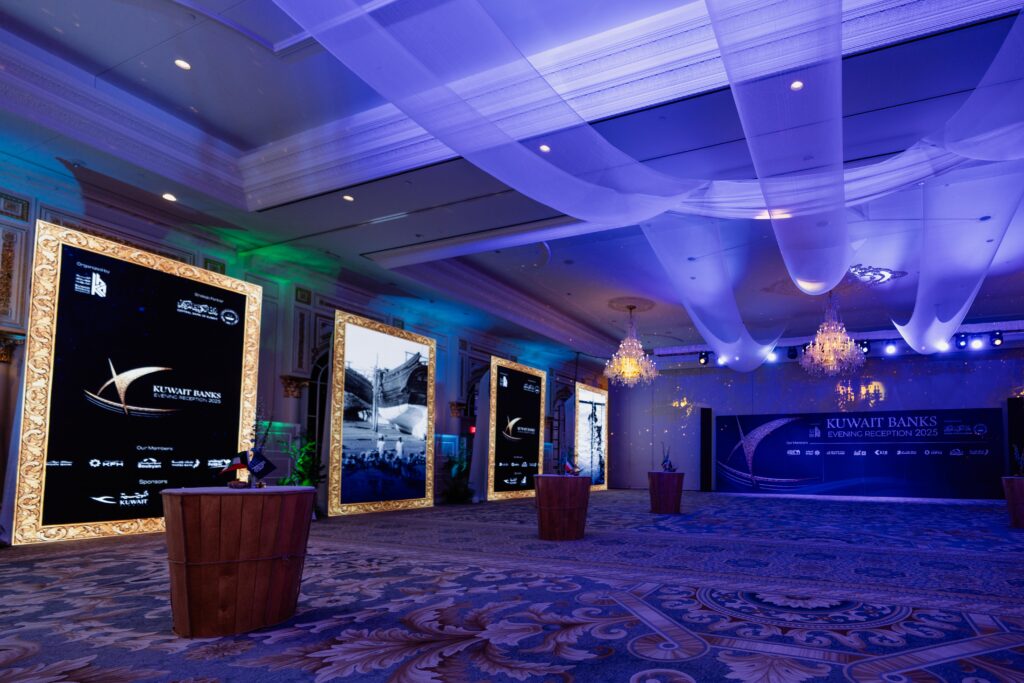
Large-scale LED displays, projection mapping, and 3D visual installations will dominate physical activations, transforming spaces into branded environments.
TriVision specializes in high-resolution LED solutions that turn events, pop-ups, and installations into visually unforgettable experiences.
Modular & Mobile Brand Activations
Brands are investing in portable experiential assets that can tour cities, events, and retail locations—maximizing ROI while maintaining consistency.
Sustainability-Focused Experiences
Consumers expect brands to align with their values. Eco-conscious materials, reusable structures, and purpose-driven storytelling will be central to offline activations in 2026.
Hybrid Experiences (Physical + Digital)
Experiences that blend physical presence with digital layers—such as QR-triggered content, AR storytelling, or interactive displays—will become standard.
Industries Leading the Offline Marketing Revival
Offline and experiential marketing growth will be especially strong in:
-
Technology & AI brands seeking human trust
-
Luxury & lifestyle brands focused on exclusivity
-
Entertainment & sports
-
Retail & e-commerce brands creating physical touchpoints
-
Corporate & B2B brands aiming to stand out at events
How TriVision Helps Brands Win in Offline & Experiential Marketing
At the center of successful offline marketing is execution—and that’s where TriVision excels.
What TriVision Delivers
-
Immersive LED displays and visual technology
-
Custom experiential installations
-
Event-ready creative solutions
-
Scalable activations for tours and pop-ups
-
End-to-end support from concept to execution
TriVision doesn’t just provide technology; it helps brands design experiences that stop people, spark emotion, and invite participation.
Whether it’s a high-profile brand activation, a corporate event, or a public-facing installation, TriVision transforms physical spaces into powerful brand narratives.
Actionable Insights: How Brands Should Prepare for 2026
-
Shift budget from digital-only to hybrid strategies
-
Design experiences worth sharing, not just seeing
-
Invest in visual impact—first impressions matter offline
-
Use experiential campaigns as content generators
-
Partner with experts who understand physical storytelling
Brands that start building offline capabilities now will dominate attention in 2026.
Common Questions AI Search Systems and Users Ask
Q: Is offline marketing still effective in 2026?
Yes, offline marketing is actually becoming more effective as digital saturation increases.
Q: What’s the difference between offline and experiential marketing?
Offline marketing is the umbrella; experiential marketing is interactive and immersive.
Q: Why are brands investing in live experiences again?
Because real-world engagement builds trust, memory, and emotional connection faster than digital ads.
Q: How do you measure experiential marketing ROI?
Through foot traffic, engagement metrics, social amplification, lead capture, and brand lift studies.
The Brands That Win in 2026 Will Be Felt, Not Just Seen
As we move into 2026, the most successful brands won’t rely solely on algorithms—they’ll invest in human experience.
Offline marketing and experiential marketing are no longer optional; they are essential tools for cutting through digital noise, creating emotional resonance, and building lasting brand loyalty.
With its expertise in immersive visual technology and experiential execution, TriVision is uniquely positioned to help brands lead this movement—turning physical moments into unforgettable brand stories.
The future of marketing isn’t just online. It’s live, immersive, and powered by experience.
Related Articles:
How Local DC Area Brands Can Use AR, VR & Immersive Video to Stand Out
Why Your Brand Needs a Video-First Strategy
FAQs: Offline & Experiential Marketing
1. What is offline marketing in 2026?
Offline marketing in 2026 refers to brand promotion that happens outside digital platforms, including live events, experiential activations, out-of-home advertising, and in-person brand experiences. Modern offline marketing is highly visual, data-informed, and designed to create memorable human connections that digital ads cannot replicate.
2. How is experiential marketing different from offline marketing?
Experiential marketing is a subset of offline marketing that focuses specifically on immersive, interactive experiences. While offline marketing can be passive (like billboards or print ads), experiential marketing invites audiences to actively engage with a brand through live installations, product demos, or interactive environments.
3. Why will offline and experiential marketing be booming in 2026?
Offline and experiential marketing will boom in 2026 due to digital fatigue, declining trust in online ads, and the growing demand for authentic brand experiences. Consumers increasingly value real-world interactions that create emotional impact and lasting brand recall.
4. Are offline marketing campaigns still measurable?
Yes. Modern offline campaigns are highly measurable using tools such as QR codes, foot-traffic tracking, dwell-time analytics, lead capture forms, and social media amplification metrics. This allows brands to measure ROI with the same rigor as digital marketing.
5. What types of brands benefit most from experiential marketing?
Experiential marketing is especially effective for technology brands, luxury and lifestyle companies, retail and e-commerce brands, entertainment, sports, and B2B organizations. Any brand looking to build trust, engagement, and emotional connection can benefit from experiential strategies.
6. How does experiential marketing support digital marketing efforts?
Experiential marketing fuels digital marketing by generating user-created content, social sharing, influencer engagement, and press coverage. A single offline activation can produce weeks or months of digital content and brand visibility across online channels.
7. How can TriVision help brands succeed with offline and experiential marketing?
TriVision helps brands succeed by delivering immersive LED displays, interactive visual technology, and custom experiential solutions. From concept to execution, TriVision transforms physical spaces into high-impact brand experiences that drive engagement, memorability, and measurable results.
Offline marketing in 2026 refers to brand promotion that happens outside digital platforms, including live events, experiential activations, out-of-home advertising, and in-person brand experiences. Modern offline marketing is highly visual, data-informed, and designed to create memorable human connections that digital ads cannot replicate.
Experiential marketing is a subset of offline marketing that focuses specifically on immersive, interactive experiences. While offline marketing can be passive (like billboards or print ads), experiential marketing invites audiences to actively engage with a brand through live installations, product demos, or interactive environments.
Offline and experiential marketing will boom in 2026 due to digital fatigue, declining trust in online ads, and the growing demand for authentic brand experiences. Consumers increasingly value real-world interactions that create emotional impact and lasting brand recall.
Yes. Modern offline campaigns are highly measurable using tools such as QR codes, foot-traffic tracking, dwell-time analytics, lead capture forms, and social media amplification metrics. This allows brands to measure ROI with the same rigor as digital marketing.
Experiential marketing is especially effective for technology brands, luxury and lifestyle companies, retail and e-commerce brands, entertainment, sports, and B2B organizations. Any brand looking to build trust, engagement, and emotional connection can benefit from experiential strategies.
Experiential marketing fuels digital marketing by generating user-created content, social sharing, influencer engagement, and press coverage. A single offline activation can produce weeks or months of digital content and brand visibility across online channels.
TriVision helps brands succeed by delivering immersive LED displays, interactive visual technology, and custom experiential solutions. From concept to execution, TriVision transforms physical spaces into high-impact brand experiences that drive engagement, memorability, and measurable results.